
A drain does not need to back up completely to have a serious problem brewing inside the pipe. Many homeowners are surprised when sinks, showers, or floor drains start producing foul odors even though water still drains quickly. That lingering smell is often caused by something you cannot see: biofilm.
Biofilm is a slimy layer of bacteria, grease, soap residue, and organic waste that sticks to the inner walls of pipes. Over time, it creates strong sewer-like odors and becomes a breeding ground for recurring buildup. While temporary cleaners may mask the smell for a short time, they rarely solve the actual issue.
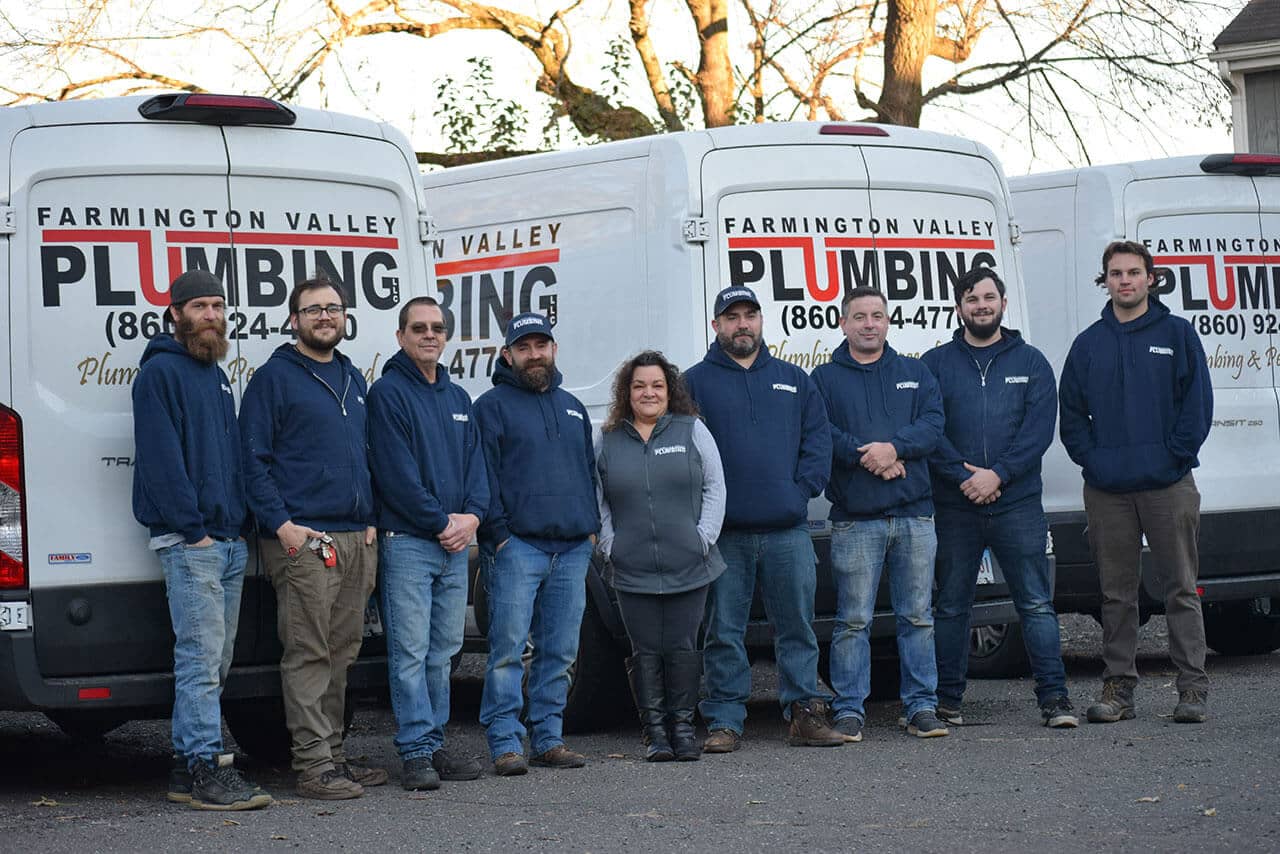
At Farmington Valley Plumbing, we regularly help homeowners dealing with hidden drain problems that standard DIY methods cannot fully remove. As the go-to provider of drain cleaning in Simsbury, CT, we use professional tools and advanced cleaning methods to restore healthier, cleaner plumbing systems without unnecessary guesswork.
In this guide, we’ll cover:
- What a biofilm actually is
- Why fast drains can still smell bad
- Common signs of hidden buildup
- Why store-bought cleaners usually fail
- How hydro jetting removes deep pipe residue
- When professional drain cleaning makes the most sense
A Drain Can Be “Open” and Still Be Dirty
Many people assume a drain is either clogged or clear. In reality, there is a large gray area in between.
A pipe may still allow water to flow while its inner walls become coated with layers of organic buildup. This buildup gradually thickens over time and traps bacteria, grease, food particles, hair, soap scum, and waste materials.
That living layer is called biofilm.
Unlike a solid blockage, biofilm does not always stop drainage immediately. Instead, it narrows the pipe slowly while creating persistent odors and unhealthy conditions inside the plumbing system.
This is why many homeowners notice smells long before they experience a completely clogged drain.
Bacteria Thrive Inside Damp Pipes
Drain pipes create the perfect environment for bacterial growth:
- Moisture
- Warm temperatures
- Organic debris
- Limited airflow
As bacteria feed on trapped waste, they release gases that often smell like:
- Rotten eggs
- Sulfur
- Sewage
- Mold
- Decaying food
According to the United States Environmental Protection Agency, hydrogen sulfide gas is one of the common causes of sulfur-like odors associated with wastewater systems.
Kitchen drains are especially vulnerable because grease, oils, and food particles stick easily to pipe walls. Bathroom drains commonly develop biofilm from soap residue, hair, skin oils, and toothpaste buildup.
Over time, the odor becomes stronger as the bacterial layer thickens.
Good Water Flow Does Not Always Mean Clean Pipes
This is one of the biggest misconceptions homeowners have about drain systems.
Water naturally follows the center of the pipe where resistance is lowest. Even when buildup coats the sides of the pipe, water may continue flowing through the open middle section.
Think of it like cholesterol buildup inside an artery. Flow still happens until the restriction becomes severe.
That is why homeowners often experience the following:
Persistent Odors
The smell remains even after rinsing drains or using cleaners.
Recurring Slowdowns
Water may drain fine one week and slow down the next.
Gurgling Sounds
Air pockets form as buildup interferes with normal flow patterns.
Frequent Backups
Partial buildup creates ideal conditions for larger obstructions later.
Without proper cleaning, the problem usually worsens over time.
Chemical Cleaners Often Leave Residue Behind
Many liquid drain cleaners are designed to punch through soft obstructions temporarily. They do not fully scrub away the biofilm coating attached to the pipe walls.
Some chemical cleaners can also:
- Damage older pipes
- Corrode certain plumbing materials
- Create harmful fumes
- Harden grease deeper in the system
- Weaken pipe joints over time
The National Institute for Occupational Safety and Health has also warned about the potential hazards associated with chemical drain cleaning products and fumes in enclosed spaces.
Even if the smell fades briefly, the bacteria layer often remains attached inside the pipe.
Why Drain Snaking Is Not Always Enough
Professional drain snaking is highly effective for breaking through localized blockages. It works well for:
- Hair clogs
- Minor grease buildup
- Small obstructions
- Isolated backups
However, snaking usually creates a narrow opening through the buildup rather than fully removing the material coating the pipe walls.
That means odors and residue can remain behind.
This is why some homeowners continue noticing smells shortly after receiving basic drain cleaning services.
Hydro Jetting Targets the Entire Pipe Interior
Hydro jetting is one of the most effective ways to remove biofilm completely.
This process uses highly pressurized water to scour the inside walls of pipes, removing:
- Grease
- Sludge
- Soap residue
- Mineral buildup
- Organic waste
- Bacterial slime layers
Unlike snaking, hydro jetting cleans the full diameter of the pipe rather than simply punching a hole through debris.
More Thorough Cleaning
The pipe walls are scrubbed clean instead of partially cleared.
Reduced Odors
Removing the bacteria layer eliminates the source of the smell.
Improved Long-Term Flow
Clean pipes resist future buildup more effectively.
Better Preventive Maintenance
Hydro jetting can help reduce recurring drain issues before major backups develop.
Professional evaluation is important first because older or damaged pipes may require inspection before high-pressure cleaning begins.
Common Areas Where Biofilm Builds Up
Kitchen Sink Drains
Grease, oils, and food particles commonly coat kitchen drain lines.
Bathroom Sinks and Showers
Soap scum and hair create sticky buildup inside smaller pipes.
Laundry Drains
Lint, detergent residue, and standing moisture contribute to bacterial growth.
Floor Drains
Basement and utility drains often collect stagnant organic material over time.
Warning Signs You Should Not Ignore
The Smell Keeps Returning
Temporary odor relief usually points to buildup that was never fully removed.
Multiple Drains Smell at Once
This may indicate a larger issue deeper in the drainage system.
Fruit Flies or Drain Flies Appear
These pests are often attracted to organic buildup inside drains.
DIY Methods Stop Working
Recurring problems usually signal buildup beyond what household tools can handle.
What Professional Drain Cleaning Looks Like
Inspection Comes First
A reputable drain cleaning company should first identify:
- Pipe condition
- Severity of buildup
- Drain line accessibility
- Existing damage
- Potential blockage points
In some cases, video camera inspections help pinpoint hidden accumulation deeper in the line.
The Right Cleaning Method Matters
Not every drain requires hydro jetting immediately. Some situations respond well to targeted drain snaking, while others benefit from full pipe scouring.
Choosing the correct method helps avoid unnecessary work while fully addressing the underlying issue.
Prevention Is Part of the Process
Long-term drain health often depends on daily habits, including:
- Avoiding grease disposal down sinks
- Using drain strainers
- Flushing drains periodically
- Scheduling preventive cleaning when buildup becomes recurring
Consistent maintenance can significantly reduce future problems.
Modern Drain Cleaning Is More Precise Than Ever
Modern plumbing technology allows technicians to diagnose hidden drain issues with far less disruption than in the past.
Today’s drain cleaning tools can:
- Locate buildup accurately
- Inspect pipe interiors in real time
- Detect hidden corrosion
- Clean more thoroughly
- Reduce repeat service calls
This has made professional drain cleaning in Simsbury, CT more efficient and effective for homeowners dealing with recurring odors and hidden buildup.
A Fresh-Smelling Drain Starts With a Truly Clean Pipe
A drain that runs fast is not always a healthy drain. Hidden biofilm buildup can continue growing quietly inside pipes long before a major blockage appears. The odor is often the first warning sign.
Removing that buildup requires more than surface-level cleaning. Proper inspection, professional equipment, and thorough cleaning methods help restore both drainage performance and indoor comfort.
FAQs
Why does my drain smell even though it is not clogged?
This is often caused by biofilm buildup inside the pipe. Bacteria and organic residue cling to pipe walls and create odors even when water still drains normally.
Can bleach remove drain odors permanently?
Usually not. Bleach may temporarily reduce smells, but it often does not remove the underlying buildup causing the odor.
Is hydro jetting safe for residential pipes?
In many cases, yes. A professional inspection helps determine whether the pipes are in suitable condition for hydro jetting.
How often should drains be professionally cleaned?
It depends on usage and buildup levels. Homes with recurring grease, soap residue, or older pipes may benefit from periodic maintenance cleaning.
What is the difference between drain snaking and hydro jetting?
Drain snaking breaks through clogs to restore flow. Hydro jetting fully cleans the pipe walls using high-pressure water.
When should I call for professional help?
Persistent odors, recurring backups, multiple affected drains, or repeated slow drainage usually indicate the need for professional inspection and cleaning.
At Farmington Valley Plumbing, we use advanced tools and proven cleaning methods to help homeowners tackle stubborn drain odors and hidden buildup safely and effectively. With over 20 years of hands-on experience and a strong focus on honest service, our team works to identify the real source of drain issues instead of relying on temporary fixes.
If recurring odors or buildup keep returning, professional evaluation from the Farmington Valley Plumbing team can help prevent larger plumbing problems later on. Contact us today to schedule a consultation!