
PFAS, often called “forever chemicals,” have become a growing concern for homeowners who rely on private wells or local water supplies. These man-made substances can persist in the environment for decades without breaking down, which is why they are increasingly found in groundwater across many regions, including parts of Connecticut. For homeowners searching for water treatment services in Avon, CT, understanding how PFAS enter drinking water and how they are removed is an important step in protecting household water quality.
How PFAS Enter Groundwater
PFAS (per- and polyfluoroalkyl substances) are a group of synthetic chemicals used in products like nonstick cookware, waterproof fabrics, firefighting foams, and stain-resistant coatings. Over time, these chemicals can make their way into soil and groundwater through manufacturing discharge, landfill leakage, wastewater systems, and surface runoff. Because PFAS do not naturally degrade, they can remain in water sources for long periods. According to the U.S. Environmental Protection Agency (EPA), exposure to certain PFAS may be linked to health concerns over time, which is why federal and state agencies continue to tighten drinking water guidelines.
Why PFAS Are Difficult to Remove
PFAS are especially challenging because they are extremely stable at a chemical level. Standard home filtration methods are not always effective at removing them. Many homeowners assume a basic water filtration system will address all contaminants, but PFAS require more advanced treatment methods due to their small molecular size and resistance to breakdown.
The Role of Reverse Osmosis in PFAS Removal
A certified reverse osmosis (RO) system is widely considered one of the most effective household solutions for reducing PFAS in drinking water. RO systems use a semi-permeable membrane that forces water through at high pressure, separating a wide range of dissolved contaminants, including many PFAS compounds. When properly installed and maintained, RO systems can significantly improve drinking water quality at the point of use, making them a common recommendation for homeowners concerned about chemical contamination.
Water Treatment Options for Farmington Valley Homes
Different homes require different approaches depending on water quality, plumbing setup, and household usage. In addition to RO systems, homeowners may consider broader treatment solutions such as a conditioning system or whole-home filtration depending on the full water profile.
Common options include:
- Point-of-use reverse osmosis systems for drinking water
- Whole house water filtration system setups for general water quality improvement
- Pre-treatment systems to address sediment or hardness
- Blended systems depending on test results and household needs
It is important to note that not every whole house water filtration system addresses PFAS directly, which is why testing is essential before choosing equipment.
Why Water Testing Comes First
Before installing any system, professional water testing helps identify what is actually present in the water supply. PFAS levels, mineral content, pH balance, and other contaminants can vary significantly from one home to another, even within the same neighborhood. Without testing, homeowners may invest in solutions like a water softener installation or filtration system that improves certain issues but does not address PFAS contamination specifically.
Why Professional Guidance Matters
Water treatment is not one-size-fits-all. The effectiveness of any system depends on accurate testing, proper sizing, and correct installation. A professional evaluation ensures that the chosen solution matches the actual water conditions rather than assumptions based on symptoms like taste or odor.
FAQs
What are PFAS chemicals?
PFAS are man-made chemicals that resist breaking down in the environment and can accumulate in water sources over time.
Can a regular water filter remove PFAS?
Most standard filters are not designed to effectively remove PFAS. Advanced systems like reverse osmosis are typically required.
Is reverse osmosis safe for drinking water?
Yes. RO systems are widely used for drinking water purification and are effective at reducing a range of contaminants, including many PFAS compounds.
Do I need whole-home treatment for PFAS?
Not always. Many homeowners use point-of-use systems for drinking water while using other treatment methods for general household water.
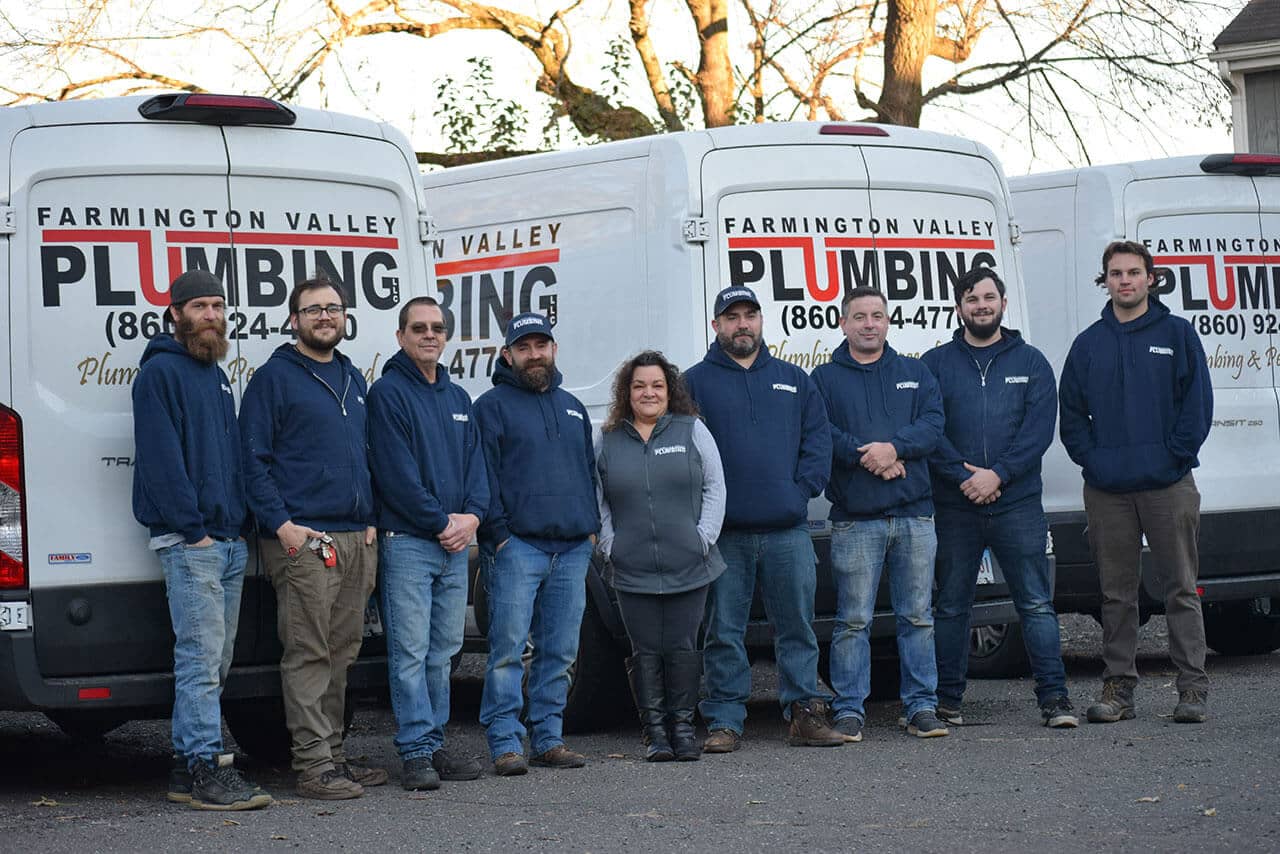
When water quality concerns arise, Farmington Valley Plumbing uses over 20 years of field experience, advanced diagnostic equipment, and a commitment to transparency, customer education, and trust to help homeowners make informed decisions and choose the right water conditioning system. As a family-owned and community-oriented company with a no cut corners policy and a 100% customer satisfaction guarantee, we focus on delivering water treatment solutions that are based on real testing and long-term reliability. Get in touch with us today!